The "Digital Skills for Children" (CODI) program is part of the Recovery, Transformation and Resilience Plan, framed within the Digital Capabilities initiative to combat child poverty. The State Secretariat for Youth and Children, the entity responsible for the program, focuses its efforts on training vulnerable children, addressing a triple digital disadvantage:

This program anticipates that a total of 5,522 students will be trained through 358 courses, totaling 11,054 hours of training in both provinces. This joint effort by the institutions aims to improve the digital skills of children and adolescents. Undoubtedly, it is a major step towards a more digital and accessible future for all.
The CODI program is aimed at all children and adolescents from the province of Granada, aged between 9 and 17 years, but priority will be given and access should be facilitated especially to:

Children and adolescents in situations of moderate, high or severe poverty.

Children and adolescents in highly vulnerable environments (high rates of poverty or low middle income).

Children and adolescents living in small towns, rural areas and/or with less access to the internet and technology...

Children and adolescents in vulnerable situations according to the European Child Guarantee (foster care, violence, disability, migration).

Priority will be given to young people who have left the guardianship of the protection system.

Children and adolescents with disabilities.
*NNA: Children and adolescents.
Free 30-hour face-to-face courses in small groups throughout the province of Granada.
Three different training options suitable for all levels.
An attractive educational platform specially designed by the Ministry of Youth and Childhood
Certificates accrediting participation and completion of the courses, within the European Reference Framework for Digital Citizenship Competencies (DigComp)

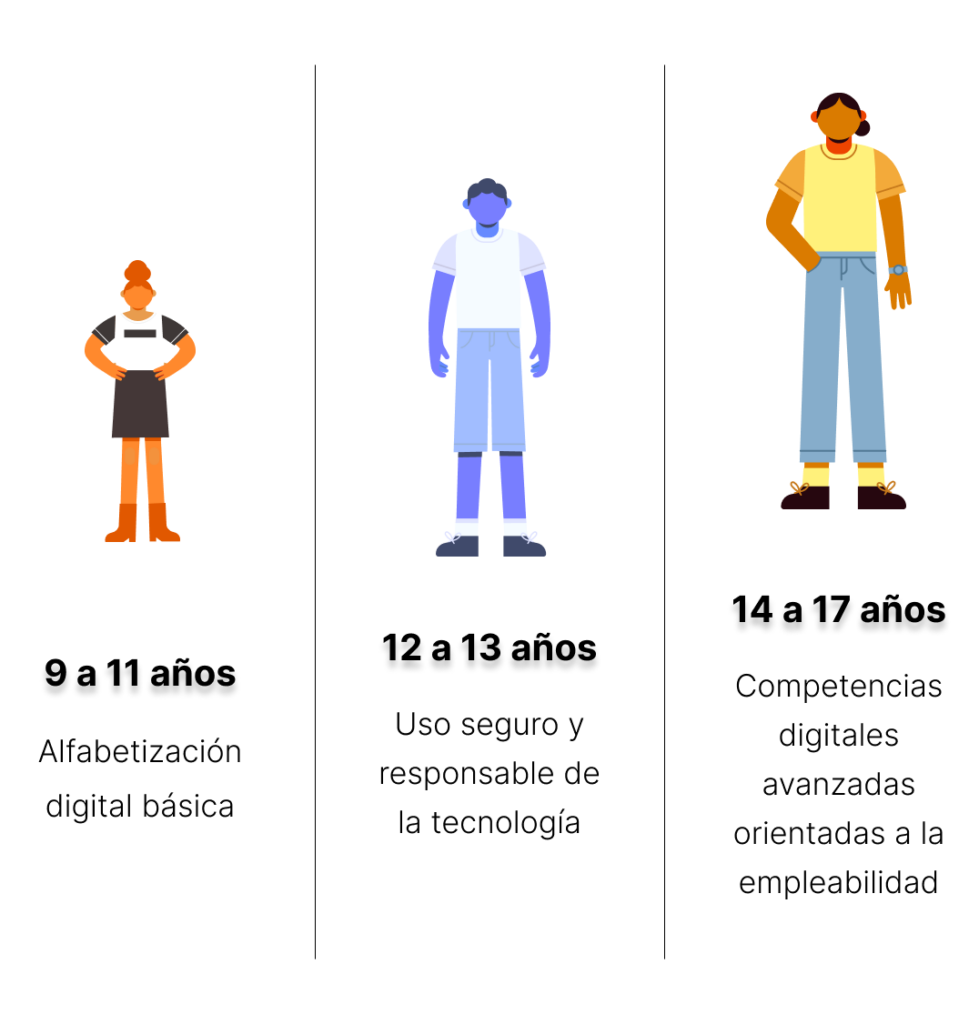
The training offered by CODI in the province of Granada follows the European Digital Competence Framework (DigComp 2.2) and is divided into three lines according to age:
This training program is designed for children aged 9 to 11 and focuses on developing basic digital skills. The methodology is based on storytelling, using characters and missions that facilitate the learning of essential digital skills. The content is organized into five stages, each with six missions that cover the following areas:
-Information and data literacy: Searching, evaluating and managing information on the internet.
-Communication and collaboration: Use of digital tools to communicate and collaborate securely and effectively.
-Digital content creation: Introduction to the creation and editing of simple digital content.
-Security: Practices to protect devices and personal data in the digital environment.
-Problem solving: Development of skills to identify and solve basic technical problems.
Aimed at children aged 12 to 13, this program delves deeper into intermediate digital skills. Similar to the previous program, it uses storytelling as a pedagogical tool, presenting challenges and missions that strengthen digital abilities. The content is structured in five stages with six missions each, focusing on:
-Information and data literacy: Improvement in advanced searching, critical evaluation and management of online information.
-Communication and collaboration: Use of digital platforms for collaboration on projects and effective communication.
-Digital content creation: Development of skills to create and edit more complex digital content, including multimedia.
-Security: In-depth focus on protecting privacy and security in digital environments.
-Problem solving: Training to solve more complex technical problems and use digital tools efficiently.
| This program is designed for teenagers aged 14 to 17 and focuses on advanced digital skills. Through an immersive narrative, participants acquire skills that prepare them for the challenges of today's digital world. The content is structured in five stages, each with six missions, covering: -Information and data literacy: Development of skills for advanced information and data management, including analysis and interpretation. -Communication and collaboration: Use of digital tools for collaboration in complex projects and communication in professional environments. -Digital content creation: Training in advanced digital content creation, such as basic programming and graphic design. -Security: Cybersecurity training, digital identity protection and understanding of the legal implications of using technologies. -Problem solving: Development of skills to identify technological needs and apply innovative solutions in real-world contexts. |
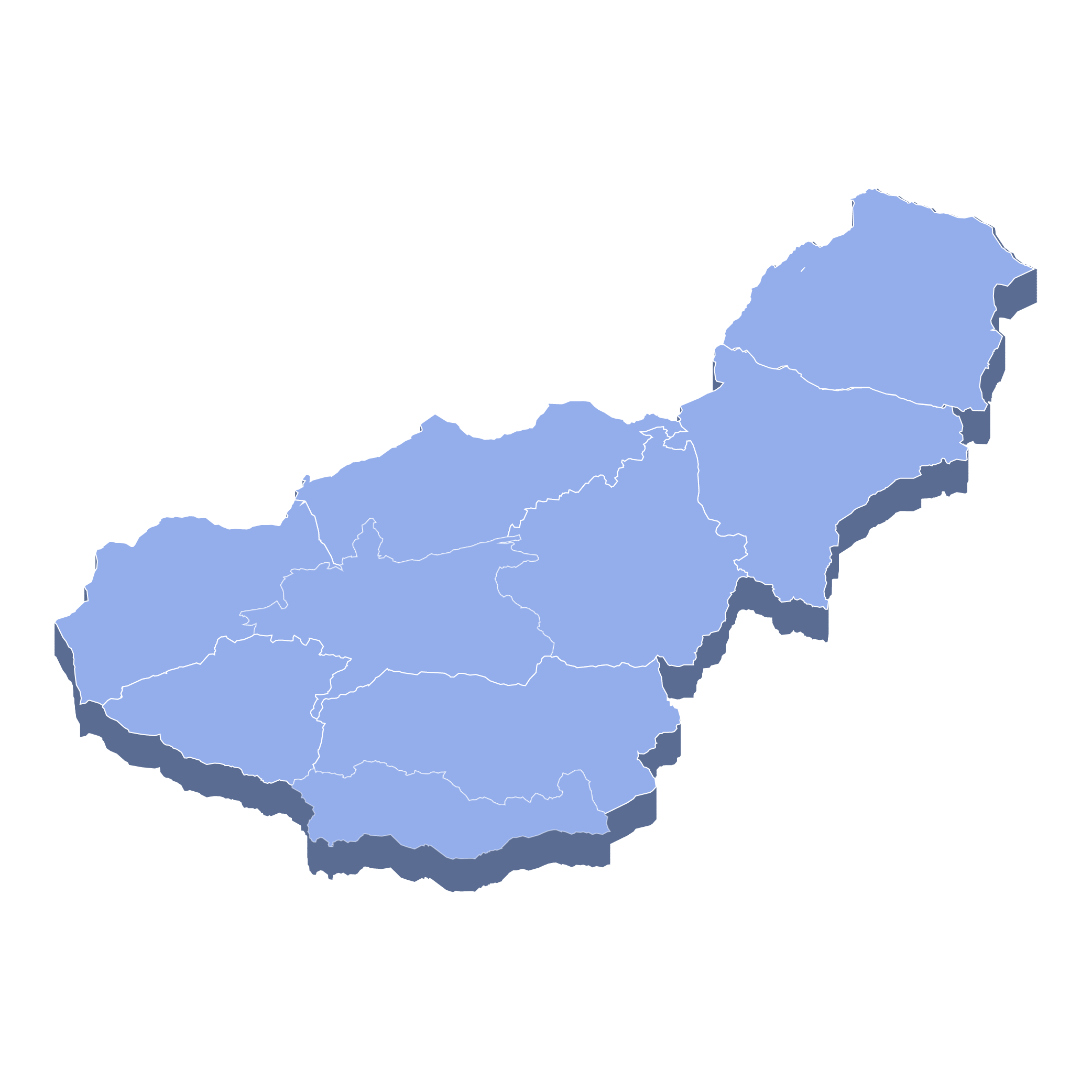
The CODI program is delivered throughout the province of Granada, where our Dynamization team (6 professionals), the Training team (24 professionals) and the coordination team work in 9 intervention zones:
Baza – Huéscar – Guadix
The Mountains – Vega de Granada Norte
Loja – Vega de Granada Northwest
Alhama de Granada – Vega de Granada Southwest
Lecrín – Vega de Granada Sur
Alpujarra – Vega de Granada East/Southeast – Southeast Tropical Climate
Tropical Coast Northeast/Southwest – Alhama South/Southeast
North/Central Granada
Granada South/Central