

In an increasingly digital world, the acquisition of technological skills has become a fundamental need for citizens.
Aware of this reality, the Government of Castilla-La Mancha has launched the Digital Citizenship project, a key initiative to promote digital inclusion and guarantee equitable access to new technologies.
Leading the Way in Digital Skills Training
The Digital Citizenship project, led by MainJobs, aims to reduce the digital divide and provide essential tools for citizens' personal and professional development. Through this program, more than 33,000 people have received training in digital skills, enabling them to improve their technological abilities and adapt to the demands of today's job market.
Furthermore, this initiative has created over 40 direct jobs, contributing to the region's economic and social growth. Digitalization has ceased to be an option and has become a fundamental pillar of economic and social development.
In Castilla-La Mancha, this process has not only boosted employability by providing citizens with essential digital skills, but has also transformed the business fabric and fostered a culture of innovation.
Thanks to access to new technologies and specialized training, companies in the region have been able to modernize their processes and optimize their resources. Digitalization allows local businesses to be more efficient, automate repetitive tasks, and improve data management, resulting in greater productivity and competitiveness in the market. Furthermore, it facilitates communication and collaboration among companies, customers, and suppliers, creating a dynamic and connected business ecosystem.
A project framed within the Digital Agenda 2025
The Digital Citizenship program is part of the National Digital Capabilities Plan (PNCD) and is integrated into the Digital Agenda 2025.
Its aim is to ensure that all citizens, regardless of their age or level of knowledge, can access training in digital skills.
The Digital Citizenship project recognizes that the diversity of profiles within society demands a flexible and accessible approach. Therefore, the training is designed to meet the needs of different population groups. From young people seeking better preparation for their professional future to older adults who wish to integrate into the digital world, each user can find courses adapted to their experience level and learning pace. Accessibility is key, and for this reason, a methodology has been developed that facilitates learning regardless of each person's starting point.
Furthermore, the initiative places special emphasis on vulnerable groups, such as people at risk of social exclusion, women seeking to improve their employability, and residents of rural areas with limited access to technological resources. Through the Digital Inclusion Points Network (PID) and the presence of Area Facilitators, the program aims to eliminate barriers and bring digital education to every corner of Castilla-La Mancha, ensuring that no one is left behind in the digital transformation process.
Another key aspect of this training is its practical approach. It's not just about teaching the use of digital tools, but about providing applicable knowledge that allows citizens to navigate the digital environment with confidence.
From basic skills, such as email management and accessing government platforms, to more advanced competencies in cybersecurity and digital information management, the program offers a wide variety of resources to suit different learning levels.
To achieve this, the project offers 84 training courses in transversal digital skills, covering basic, intermediate, and advanced levels. These courses are delivered in person with the support of 25 Area Facilitators, who work in conjunction with the Digital Inclusion Points Network (PID) and the municipalities of Castilla-La Mancha.
Accessibility and Self-Diagnosis
One of the fundamental pillars of Digital Citizenship is accessibility. Currently, there are more than 950 Digital Inclusion Points (DIPs) distributed throughout the region, facilitating access to training for all citizens. Through these points, participants can enroll in free courses ranging from basic device use to advanced digital tool management.
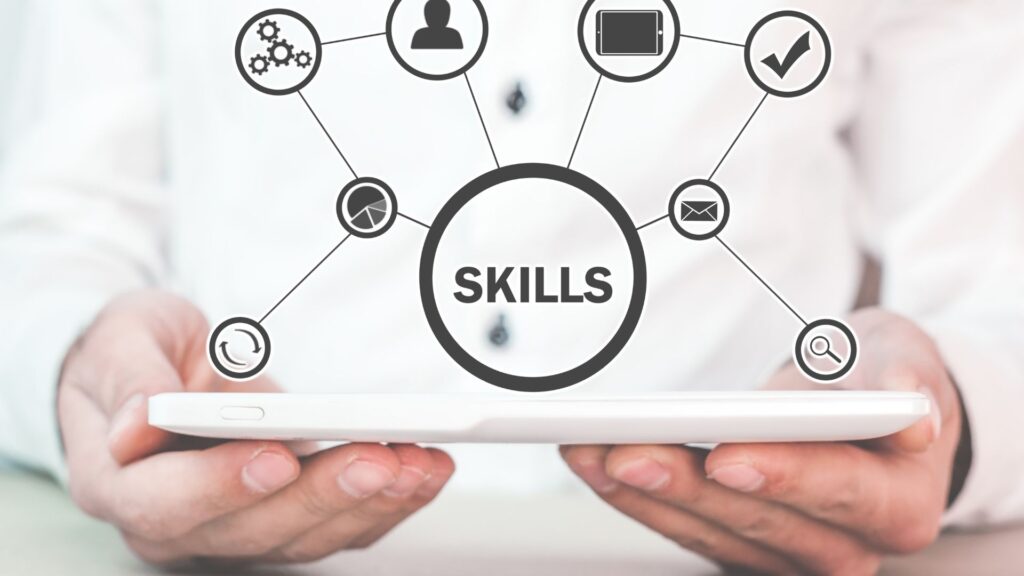
One of the keys to the success of Digital Citizenship is its ability to adapt to the individual needs of each participant. To achieve this, the program incorporates the mydigiskills self-assessment tool, an innovative resource that allows users to quickly and easily evaluate their level of digital skills. Through a series of structured questions, this platform analyzes various aspects of technological knowledge and provides a detailed profile of each person's digital abilities.
Using this tool offers numerous advantages. First, it helps citizens identify their strengths and areas for improvement in the digital sphere. Often, people are not fully aware of their existing skills or don't know which aspects they need to strengthen to navigate the technological environment more effectively. Thanks to mydigiskills, they can gain a clear understanding of their current level and define a learning plan tailored to their needs.
Furthermore, the self-assessment system allows users to receive personalized recommendations. Based on the results obtained, the platform suggests specific courses and materials that can help improve each user's digital skills. This ensures that the training is not generic but rather tailored to each individual's actual abilities, increasing learning effectiveness and optimizing the time spent on training.
Finally, this tool also plays a key role in digital inclusion. By offering an accessible and free assessment, anyone, regardless of age or technological experience, can become aware of their digital skills and access the appropriate resources to improve them. In an increasingly digital world, these kinds of initiatives are essential to reducing the digital divide and ensuring that all citizens can benefit from the opportunities offered by the digital age.
Learn to overcome barriers and detect opportunities
The success of Digital Citizenship lies in its ability to transform lives. Thanks to this initiative, thousands of people have acquired essential knowledge to navigate the digital environment, improving their job opportunities and their quality of life.
As technology advances, the project will continue to adapt to society's evolving needs, incorporating innovative courses and strengthening its training network. Digitalization is the future, and Castilla-La Mancha is taking decisive steps to ensure that no one is left behind in this technological revolution.
For more information about the program and available courses, you can visit the official Digital Citizenship website. here.
(Source: Own)

